Describe
Identify wetness, hardness, poor growth, settling or missing usable soil.
 Not sure what you need?Tell us what you’re planting or building and we’ll help you find the right material.Find My Soil →
Wet, hard, compacted, shallow or poorly performing soil can have different causes. The correct first step may be an amendment, complete soil, drainage work—or no material yet.
Look below the surface and determine whether the problem is structure, compaction, grade, drainage, shallow usable soil or chemistry.
Identify wetness, hardness, poor growth, settling or missing usable soil.
Inspect layers, compaction, debris, water and the depth of usable soil.
Choose amendment, replacement soil, aeration, grading, drainage, testing—or wait.
Each intervention serves a different part of the soil system.
Use Clean Green Compost where appropriate existing soil needs a general organic amendment.
Learn more →Diagnose compaction and water movement; random sand or pumice additions are not universal fixes.
Learn more →Use as a distinct amendment where its characteristics fit—not simply as stronger compost.
Learn more →Use the inoculated biochar path when that specific amendment approach is justified.
Learn more →A shallow or disturbed profile may need additional complete soil, grading, drainage or compaction remediation.
Learn more →Specialty Soils has seen Premium Garden Soil with BeautIEarth work well as one long-term clay-soil management approach.
Learn more →These are starting points, not automatic prescriptions for every wet, hard or compacted site.

Finished compost for garden, landscape and soil-building applications.
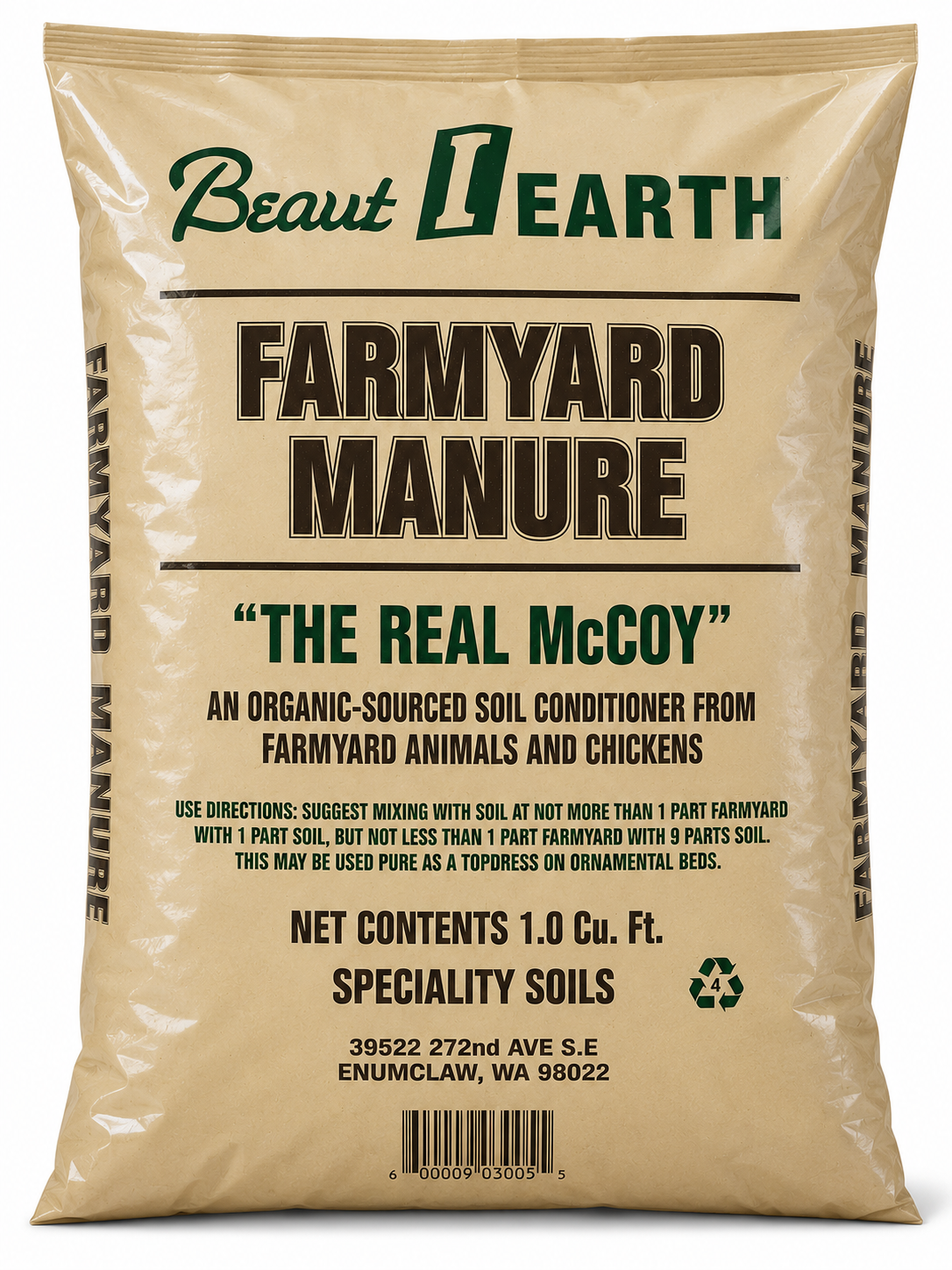
Aged farmyard manure compost for soil improvement and blending.

Finished compost combined with charged biochar for biologically active soil improvement.

Nutrient-rich organic garden soil for vegetables, flowers, raised beds and landscape planting.

Landscape mulch for finished beds, moisture management and weed suppression.
The best next step depends on the decision still in front of you.
See why arbitrary sand additions are not a universal cure.
Learn more →Avoid turning annual settling into an increasingly compost-heavy profile.
Learn more →Inspect compaction, fill and shallow usable soil.
Learn more →Use the project details—not the broad label alone—to choose the next step.
Not automatically. Mud can involve grade, compaction, fine texture, shallow soil or water with no outlet.
Do not treat sand as an automatic cure. Proportions, particle sizes, existing soil and incorporation all matter.
When the usable root-zone volume is missing or severely inadequate, amendment alone may not create the soil depth the project requires.
Base the amount on the actual amendment need, product and incorporation depth. More compost is not automatically better.
Use Diagnose My Soil before ordering a material that may not address the cause.
Start with the soil already there
This project path separates amendment, complete soil and non-material site work. Compost can be useful here, but it is not automatically a replacement growing medium.