Planting soil
Use complete garden soil when creating or replacing the root zone.
 Not sure what you need?Tell us what you’re planting or building and we’ll help you find the right material.Find My Soil →
A flower bed may need planting soil, amendment and surface mulch. Keeping those layers distinct prevents compost or bark from being asked to do the job of complete soil.
Each layer answers a different question and should be calculated separately.
Use complete garden soil when creating or replacing the root zone.
Use compost where appropriate existing soil needs improvement.
Protect and finish the surface after planting.
A new bed may need complete garden soil and mulch. An existing bed may need only amendment and a surface refresh.
Plan the complete garden soil depth, plant, then add the chosen surface mulch.
Learn more →Inspect the root zone before adding compost or replacing useful soil.
Learn more →Choose fine or medium natural bark by texture and appearance.
Learn more →Plants in pots need container media rather than ordinary flower-bed soil.
Learn more →These are not interchangeable: complete garden soil, compost, and mulch or bark answer different questions.

Nutrient-rich organic garden soil for vegetables, flowers, raised beds and landscape planting.

General-purpose three-component landscape soil blend.

Finished compost for garden, landscape and soil-building applications.

Landscape mulch for finished beds, moisture management and weed suppression.
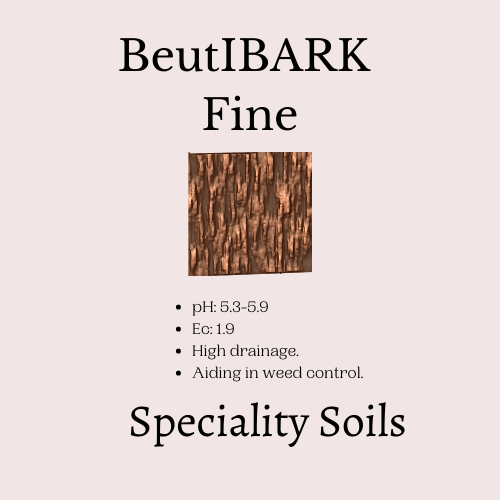
Fine-textured dark decorative bark for finished landscape beds.

Medium decorative bark with dark red and brown tones.
The best next step depends on the decision still in front of you.
Choose root-zone soil or amendment by the job.
Learn more →Choose the surface layer by purpose.
Learn more →Calculate only the missing surface depth.
Learn more →Use the project details—not the broad label alone—to choose the next step.
Not always. A new bed may need complete soil and mulch; an established bed may need only a measured amendment or surface refresh.
Do not treat compost as universal full-depth fill. Use complete soil when building the root zone.
No. Mulch is a surface layer, not planting soil. For woody plants, follow the tree and shrub planting guide.
Calculate planting-soil depth, amendment amount and mulch depth as separate applications, then combine delivery planning.
Keep the planting volume, amendment and surface finish clear in the order.